
Manifesto
The map of who buys from whom is being redrawn.
For thirty years, the question of who buys industrial goods from whom was mostly settled. The supplier on the second page of the procurement folder in 1998 was still there in 2018. Relationships were sticky because the cost of switching was high and the reasons to switch were rare.
That world is over. Tariffs are moving on a quarterly cadence. Supply chains that had been single-sourced for a generation are being deliberately split. The Mercosur–EU agreement entered force in 2026; the US-Asia corridor has been reshaping itself since 2022; the Middle East has stopped being a passive shipper and started being a producer.
Every one of these shifts creates the same thing: a buyer who is, for the first time in years, genuinely shopping.
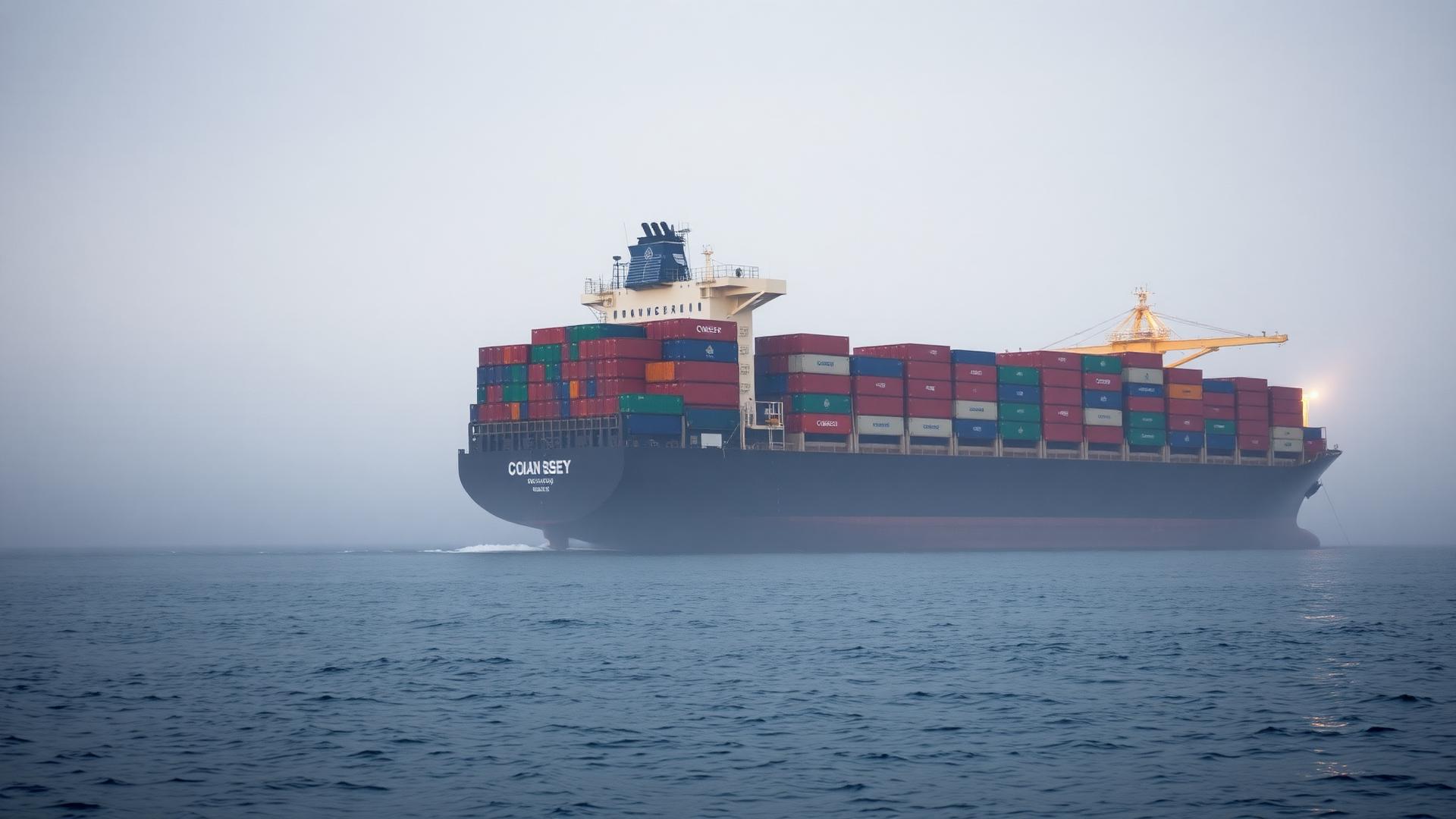
The problem is that the people on the supply side — the manufacturers who could win this business — almost never see these buyers coming. Their commercial teams run on relationships. Relationships, by definition, only reach people somebody already knows.
The buyer who's been importing from one supplier in northern Italy for fifteen years, and is quietly opening a second-source quote this quarter, is not in anyone's CRM. He never was. The introduction was never going to happen through the rolodex. It was never going to happen through a conference.
The companies that see these buyers first — before they post an RFQ, before they call your competitor — are the companies that will win the next decade of industrial trade.
That is the entire thesis behind Orana. Not lists. Not software. Not another dashboard. A small team looking at the world's trade flows the way your competitors can't, finding the buyer who is in motion right now, and putting them in front of you while there's still a meeting to be had.